7 Common Moving Mistakes That Spike Your UK Removals Bill
Moving house is stressful enough without watching the final invoice creep upward because of avoidable errors. In our experience, the biggest surprises rarely come from one dramatic problem; they come from a handful of small decisions that snowball. That is exactly why understanding 7 Common Moving Mistakes That Spike Your UK Removals Bill matters before you book a van, start packing, or decide what can wait until the morning of the move.
The good news? Most of these cost spikes are preventable. A bit of planning, the right service level, and honest preparation can make a proper difference. Whether you are moving a flat, a family home, or a small office, this guide breaks down the seven mistakes that most often inflate removals costs in the UK, plus the practical steps to avoid them. No fluff. Just the stuff that actually helps.
One quick thing before we get into it: not every move needs the same setup. A simple room-to-room move may suit a man and van service, while a larger property may need a fuller team or even house removalists. Picking the wrong approach is one of those quiet money leaks people only notice after the job is done. Painful, but fixable next time.
Table of Contents
- Why these moving mistakes matter
- How removals bills get inflated
- Key benefits of getting the move right
- Who this advice is for
- Step-by-step guidance
- Expert tips for saving money
- The seven common mistakes
- Tools, resources and recommendations
- Law, compliance and best practice
- Options and comparison table
- Real-world example
- Practical checklist
- Conclusion
- Frequently asked questions
Why 7 Common Moving Mistakes That Spike Your UK Removals Bill Matters
Removals pricing in the UK is usually built around a few core variables: how much you are moving, how far it needs to travel, how long the job takes, how many people are needed, and how awkward access is at either end. If any of those change on the day, the bill can change too. That is why a move that looked affordable on the first quote can become a much heavier number by the end.
And honestly, this happens more often than people expect. A client might say "just a few boxes" and then there are three wardrobes, a dismantled bed, and a garage full of bits nobody remembered. Or the lift is out. Or parking turns into a small headache. Suddenly the moving team is doing more labour, waiting longer, or carrying items farther than planned.
The issue is not that removals companies are trying to catch people out. It is usually the opposite. A proper quote depends on accurate information. If the information is off, the price is off. Simple as that. Understanding the common mistakes helps you stay in control, compare quotes properly, and choose the right level of support for your move. It also helps if you are deciding between a straightforward man with van arrangement and a more comprehensive moving service.
Key takeaway: most removals bill spikes are caused by poor planning, hidden work, or late changes rather than the move itself. The more accurate the brief, the cleaner the price.
How 7 Common Moving Mistakes That Spike Your UK Removals Bill Works
Think of a removals quote as a working estimate based on the details you provide. The more complete the details, the better the quote. The less accurate they are, the more room there is for add-ons, delays, and extra labour. That is the basic mechanism behind bill inflation.
There are a few common ways this happens. First, the team arrives to find more volume than expected. Second, access is harder than described. Third, packing or dismantling was left unfinished, which means extra labour on the day. Fourth, timing slips, and the schedule has to be adjusted. Fifth, specialist items need handling that was not accounted for. It all sounds minor until the clock starts ticking.
UK removals pricing can vary depending on whether the job is booked as a fixed quote, an hourly arrangement, or a flexible van-and-labour setup. If you are browsing options and comparing service styles, the information on pricing and quotes can help you understand how different moving jobs are commonly priced. For more complex moves, a full home move service may make more sense than a quick hire of a truck and a couple of hands.
There is also a very practical reality here: the more disorganised the move, the more time the crew spends waiting for decisions, sorting items, or solving access issues. Time is money on moving day. Not in a dramatic way, just in the ordinary, mechanical way of jobs that run longer than planned.
Key Benefits and Practical Advantages
Getting ahead of these mistakes gives you more than a lower bill. It gives you a calmer move, better control over timing, and fewer awkward surprises when everyone is already tired. That alone is worth a lot on moving day.
- More accurate quotes: you can compare like with like rather than guessing.
- Less wasted labour: fewer last-minute packing or dismantling tasks on the day.
- Better vehicle choice: the right van or truck prevents repeat trips.
- Improved access planning: parking, stairs, and lift use can be thought through in advance.
- Lower stress: fewer unknowns mean fewer things to juggle at 7:00am with a kettle going and boxes everywhere.
There is also a less obvious benefit: clarity. Once you know what actually needs moving, you can decide whether you need full packing support, just transport, or a bit of both. Some households are fine handling most of it themselves; others are better off using packing and unpacking services because that is where the time and cost pressure really sits.
For business relocations, this clarity matters even more. A delayed office move can affect staff time, equipment handling, and business continuity. If that is your world, commercial moves or dedicated office relocation services are often easier to plan than a one-size-fits-all arrangement.
Who This Is For and When It Makes Sense
This guide is for anyone who wants to keep removals costs under control without turning the whole thing into a military operation. That means home movers, renters, first-time buyers, landlords helping a tenant move out, and office managers trying to keep disruption low.
It is especially useful if you:
- have never booked a removals company before
- are comparing quotes and one feels oddly cheap
- have a property with stairs, narrow hallways, or awkward parking
- own furniture that needs dismantling or careful handling
- are moving on a tight schedule or during a busy period
- need help deciding between a simple van hire and a full removals team
If you are moving a small load, a flexible option like man and van or moving truck hire may be enough. If you have a larger property, a lot of furniture, or multiple rooms of boxed items, it is usually smarter to look at a more complete home move solution.
To be fair, not everyone needs the same level of service. The trick is matching the service to the real workload, not the hopeful version of the workload. That is where people save money.
Step-by-Step Guidance
Here is a practical way to reduce the chance of a bill spike. It is not complicated, but it does ask for a little honesty and a bit of elbow grease.
- Make a room-by-room inventory. Walk through the property and list furniture, white goods, boxes, outdoor items, loft contents, and anything awkwardly shaped.
- Measure the bulky pieces. Sofas, wardrobes, beds, desks, and appliances can change the vehicle size you need.
- Check access at both addresses. Note stairs, lifts, long carries, low bridges, tight streets, and parking restrictions.
- Decide what you will pack yourself. If packing time is limited, consider professional support instead of trying to do it all the night before.
- Ask whether items need dismantling. Flat-pack wardrobes and bed frames often take longer than people expect.
- Separate essentials from non-essentials. Keep overnight basics, important paperwork, and chargers aside so they do not disappear into the moving pile.
- Confirm the quote basis. Is it fixed, hourly, or dependent on final survey details?
- Reconfirm details a few days before moving. This is when any change in volume or access should be flagged.
That last point sounds small, but it is often the difference between a smooth morning and a slightly chaotic one. A short call to confirm the lift is working, or that the keys will actually be available, can save a lot of back-and-forth.
Expert Tips for Better Results
Here is the stuff that usually helps in the real world, not just on paper.
- Overestimate your load slightly when requesting quotes. A cautious estimate is better than a pleasantly surprised guess that turns expensive later.
- Keep one box for loose essentials. Things like kettle leads, screws, toolkit, bin bags, and tape can save a lot of faffing.
- Dismantle where you safely can. Less work on the day often means a faster job overall.
- Label boxes by room and priority. It helps unloading go faster, which helps keep labour time down.
- Use a proper packing plan for fragile items. Poorly packed breakables can cause delays and stress, and sometimes extra insurance conversations nobody wants.
- Ask about storage or extra stops in advance. Multi-stop moves can be efficient, but only if they are planned properly.
One simple observation from moving day after moving day: people who are organised do not just save time. They look calmer, and calm moves faster. Sounds a bit daft, but it is true.
If you are clearing out items you do not want to take with you, furniture pick up or a planned removal strategy can help you avoid paying to move things twice. And if your move is tied to a property sale or chain timing, clear communication matters even more than usual.
Common Mistakes to Avoid
Here are the seven mistakes most likely to push your UK removals bill up. This is the heart of it.
1. Underestimating how much you actually own
This is the big one. People mentally count large furniture and forget the rest: pantry items, hallway clutter, loft boxes, garage bits, and the "we'll sort that later" pile. Then the van arrives and it is suddenly obvious that there are twice as many boxes as expected. Extra volume can mean a bigger vehicle, more labour, or a second trip.
2. Leaving packing until the last minute
Late packing almost always creates inefficiency. Fragile items get wrapped badly, labels are missing, and the crew has to wait while you hunt for tape or finish a wardrobe drawer. If the mover is charging by the hour, that time is not free. If the job is fixed, it can still cause stress and potential extra charges for delayed loading.
3. Ignoring access problems
Access is one of the easiest things to overlook and one of the easiest things to get wrong. A narrow street, no parking, a long walk from the kerb, or a lift that is out of service can all add time. In London especially, the difference between "easy access" and "awkward access" can be the difference between a tidy move and a fiddly one.
4. Forgetting dismantling and reassembly work
Big furniture does not always move as-is. Beds, wardrobes, tables, and some desks need to be dismantled and reassembled. If that was not included in the quote, it may become an add-on. It is one of those jobs people mean to do "tomorrow", then tomorrow comes with a van outside.
5. Booking the wrong service for the job
A small move can be expensive if you overbook. A larger move can be even more expensive if you underbook and have to rush for a bigger van, extra labour, or a second run. This is why matching the service to the move matters. A simple man with van arrangement may suit lighter loads, while a fuller package may be better for full-house moves.
6. Adding on extras too late
Extra stops, storage, special handling, or disposal of unwanted items should be mentioned early. If they emerge on the morning of the move, the job can get reworked. That usually means cost pressure. It is not about being awkward; it is about the schedule becoming more complex than the original quote assumed.
7. Not checking quote terms properly
This one is quietly expensive. Some quotes are based on a survey, some on your description, and some on the final time and labour used. If you do not understand what is and is not included, you can end up surprised. Read the terms, ask questions, and make sure you know whether packing, stairs, waiting time, or furniture assembly are included.
Truth be told, most of these mistakes come from rushing. Which is understandable. Moving is tiring. Still, a little pause before booking can save a lot later.
Tools, Resources and Recommendations
You do not need fancy software to stay organised. A simple notebook, spreadsheet, or phone checklist can do the job perfectly well. The best tool is the one you will actually use.
- Inventory list: one room per section, with furniture, boxes, and special items noted clearly.
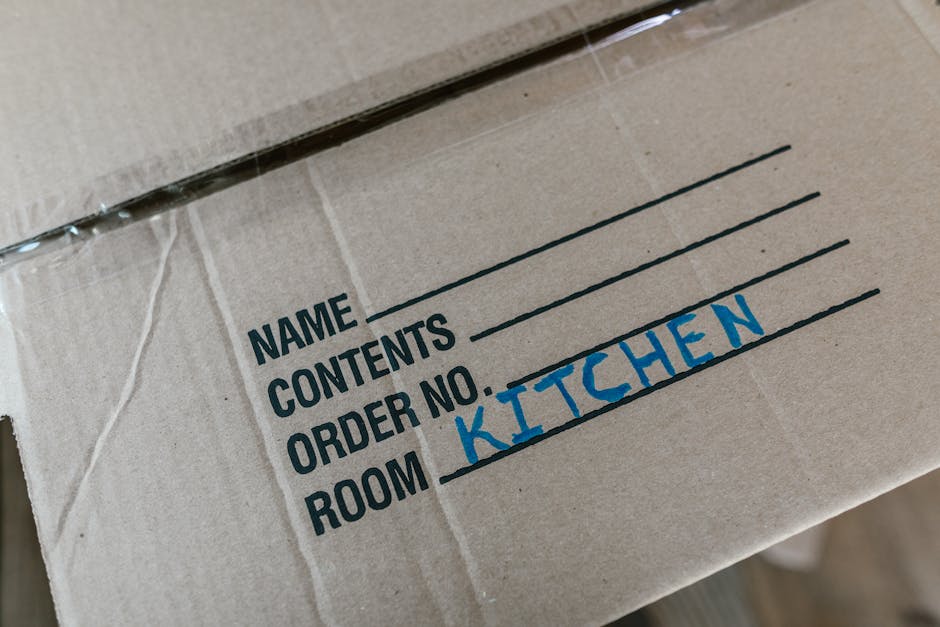
- Box labels: room name, contents, and whether the box is fragile or priority unpacking.
- Measuring tape: essential for big items, doorways, and awkward hallways.
- Parking notes: write down permit needs, loading restrictions, and likely access barriers.
- Quote comparison sheet: compare not just price, but what is included, how the quote is structured, and whether extra labour is chargeable.
If you want a clearer feel for service options, the pages on home moves and removal truck hire can help you think through what level of support fits your move. For businesses, office relocation services and commercial moves are useful reference points when planning a larger or more structured relocation.
If you are handling valuable items or want more reassurance around transport conditions, it is worth checking the practical detail on insurance and safety. And if you care about waste reduction after the move, the company's recycling and sustainability page is a sensible place to look for its disposal approach.
Law, Compliance, Standards, or Best Practice
For most home movers, the main thing is not legal complexity; it is making sure the service is handled safely, fairly, and clearly. In the UK, movers and customers both benefit from good practice around item handling, access planning, written terms, and insurance awareness.
Best practice usually includes:
- clear written quotes or confirmations
- honest descriptions of the load and access conditions
- appropriate handling of heavy or fragile items
- reasonable care with property, walls, floors, and shared spaces
- transparent handling of payment terms and any extras
If you are using movers in a block of flats, a managed estate, or a busy street, check building rules and parking arrangements well ahead of time. That is not really a legal lecture, just common sense. But common sense saves money more often than people admit.
It is also worth keeping an eye on safety and payment processes. If a mover is taking a deposit, final payment, or card details, the process should be clear and secure. For more on that side of things, you can review payment and security. If you are comparing providers, a company page such as about us can also help you judge how transparent and established the business feels.
Options, Methods, or Comparison Table
Choosing the right moving method is one of the easiest ways to avoid unnecessary cost. Here is a simple comparison to help you match the move to the setup.
| Option | Best for | Typical strengths | Watch out for |
|---|---|---|---|
| Man and van | Small flats, single rooms, lighter loads | Flexible, often efficient for compact jobs | Can become costly if the load is larger than expected |
| Man with van | Short moves with moderate volume | Good for straightforward transport and light labour | Packing and heavy dismantling may not be included |
| Removal truck hire | Bulkier household moves or multiple large items | More space and better fit for fuller loads | Poor planning can leave you paying for unused capacity or extra help |
| Full home move service | Families, full properties, complex access | More complete support and less day-of stress | Needs accurate details to avoid extra charges |
The right answer depends on your volume, access, time pressure, and how much work you want to do yourself. There is no badge for doing everything the hard way. Not really.
Case Study or Real-World Example
A fairly typical situation: a couple moving out of a two-bedroom terrace thought they had a "simple" move because most of the furniture was staying behind. On a closer look, they also had a loft full of boxes, a heavy sofa that needed dismantling, a garden shed's worth of tools, and no parking directly outside. The first rough quote looked manageable. The final job needed more time than expected, and the bill climbed accordingly.
What changed it next time? They did a full inventory, checked parking early, and sorted their discard pile in advance. They also asked about packing support rather than trying to finish half the kitchen the night before. The second move was calmer, quicker, and much easier to budget for. Same people, same kind of property, very different outcome.
That is the useful lesson here. A move is rarely expensive because of one huge mistake. It is usually expensive because of five little ones that decide to travel together.
Practical Checklist
Use this before you confirm any removals booking.
- Have I counted every room, including loft, shed, garage, and storage spaces?
- Have I measured bulky furniture and appliances?
- Do I know whether anything needs dismantling?
- Is parking available at both ends?
- Have I checked stairs, lifts, and access routes?
- Have I decided what I will pack myself?
- Have I separated items to donate, recycle, or dispose of?
- Do I understand what the quote includes and excludes?
- Have I asked about waiting time, extra stops, and special items?
- Have I confirmed the move details a few days before the date?
If you can tick most of those boxes, you are already ahead of a lot of movers. Really.
Conclusion
Most removals bill spikes come down to preventable mistakes: underestimating load, leaving packing late, ignoring access, forgetting dismantling, booking the wrong service, adding extras at the last moment, and failing to read the quote properly. Fix those seven things and you remove a surprising amount of uncertainty from the process.
The aim is not perfection. It is control. A well-planned move is usually cheaper, faster, and much easier to live through. And after the boxes are stacked, the tape is everywhere, and the kettle is finally on, that matters more than people think.
Get a free quote today and see how much you can save.
Frequently Asked Questions
What are the most common moving mistakes that increase removals costs?
The biggest ones are underestimating how much you need to move, leaving packing too late, forgetting access problems, and booking the wrong type of service. Those four issues alone account for many avoidable cost spikes.
Why does poor packing make a removals bill go up?
Poor packing slows loading, increases the chance of damaged items, and can force movers to spend extra time wrapping or reorganising boxes. If the job is hourly, that time adds up quickly.
Is a man and van service cheaper than a full removals team?
Often yes for smaller jobs, but not always overall. If the load is bigger than expected or access is awkward, a cheaper-looking van option can end up being less efficient than a fuller service. The right fit matters more than the headline price.
Should I dismantle furniture before moving day?
Where safe and practical, yes. Beds, wardrobes, and large tables often move more easily when dismantled. Just make sure screws, fittings, and instructions are kept together in a labelled bag.
How can I avoid surprise charges on moving day?
Be honest in your quote request, mention stairs, parking, lift access, special items, and any extra stops. Then confirm the details shortly before the move. Small changes are much easier to handle early than on the day.
Do movers charge more if the property has stairs?
They may, depending on the quote structure and how much extra labour is involved. Stairs usually mean more effort and more time, especially with heavier furniture or multiple trips.
What should I ask before booking a UK removals company?
Ask what the quote includes, whether packing or dismantling is included, how access is assessed, what happens if the load is bigger than expected, and how payment works. Clear answers are a good sign.
Is it worth paying for packing and unpacking services?
If you are short on time, have fragile items, or simply do not want the move to drag on, it can be worth it. Packing is one of the main hidden drains on time and energy.
How far in advance should I get a removals quote?
As early as you can, especially during busier moving periods. Early quotes give you time to compare options, check access, and avoid rushed decisions.
What is the best way to compare removals quotes?
Compare the same details across each quote: load size, access, labour, vehicle type, packing, dismantling, and payment terms. Do not compare just the final number, because that can hide major differences.
Can recycling or decluttering before the move reduce costs?
Yes. The less you move, the less time and space you need. Clearing out unwanted furniture or bulky items before the removal day can make a noticeable difference to the bill and to the general chaos.
Where can I learn more about service options and pricing?
It helps to look at the company's service pages such as home moves, pricing and quotes, and insurance and safety. Those pages can give you a clearer picture of what to expect before you book.
A smooth move is not about luck. It is mostly about good timing, clear decisions, and avoiding the seven mistakes that catch so many people out. Get those right, and the day feels a lot lighter.