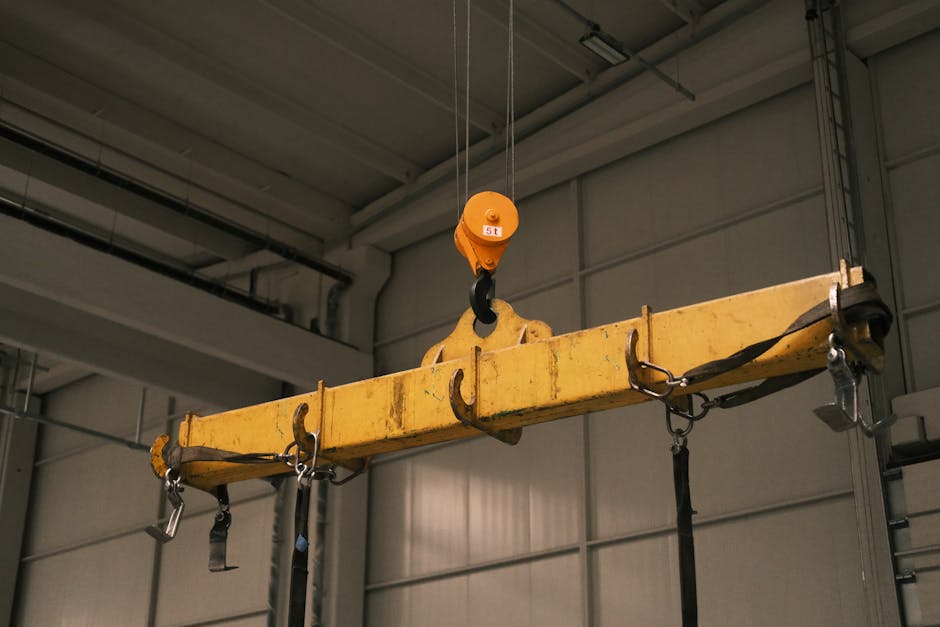
Using Liftaway Services: Safe Options for Heavy Items
If you've ever stood in front of a solid oak wardrobe, a fridge freezer, or a sofa that seems to have developed roots in the hallway, you'll know the feeling: this is not a one-person job. Using Liftaway Services: Safe Options for Heavy Items is about choosing the right help, the right lifting method, and the right vehicle or crew so the move stays safe, efficient, and far less stressful than doing it yourself on a wet Tuesday evening.
Heavy-item moves are rarely just about strength. They involve balance, access, floor protection, timing, and a bit of judgement. One wrong twist, one awkward stairwell, one poorly planned lift, and you can end up with damaged furniture, scratched walls, or an injury you really did not need. This guide breaks down how Liftaway-style services are used for bulky items, what safe options look like in practice, and how to decide what suits your situation. No fluff. Just the useful stuff.
Table of Contents
- Why this matters for heavy-item moves
- How the service works
- Key benefits and practical advantages
- Who it is for and when it makes sense
- Step-by-step guidance
- Expert tips for better results
- Common mistakes to avoid
- Tools, resources and recommendations
- Law, compliance and best practice
- Options and comparison table
- Case study example
- Practical checklist
- Conclusion
- Frequently asked questions
Why Using Liftaway Services: Safe Options for Heavy Items Matters
Heavy items are a different category of problem. A dining table might look simple enough until you try to get it around a tight stair bend. A washing machine may be perfectly manageable on flat ground, then suddenly awkward once the lift doors are narrow and the floor is slippery. That is exactly why safe lifting support matters.
The goal is not merely to move something from A to B. The goal is to do it without injury, without damage, and without turning a straightforward job into a story you tell people for weeks. To be fair, many people underestimate how much goes wrong in the final 10% of a move: the doorway that was "obviously wide enough", the bit of carpet that slips, the item that tips just as you thought you had it.
Using a service designed for heavy items helps reduce that risk. It also gives you access to people who understand carrying techniques, load distribution, route planning, and the practical realities of moving awkward objects in real homes and workplaces. If you are already arranging broader moving help, it can sit neatly alongside man with van support, a moving truck, or even a fuller service such as home moves or house removalists.
Expert summary: The safest heavy-item move is usually the one that is planned before anyone starts lifting. Measure first, clear the route, choose the right equipment, and only then decide how many hands you actually need.
How Using Liftaway Services: Safe Options for Heavy Items Works
In most cases, the process starts with a quick description of the item and the access conditions. That sounds basic, but it matters more than people think. A sofa on the ground floor is a very different job from a sofa on the third floor with no lift and a narrow landing. The more honest you are at the start, the safer and smoother the move becomes.
From there, the service normally focuses on three things: assessment, preparation, and execution. Assessment means understanding what is being moved, how heavy it is, whether it can be dismantled, and what hazards are present. Preparation means clearing corridors, protecting surfaces, and deciding what equipment is needed. Execution is the actual lift, carry, load, secure, and unload. Simple on paper. Less simple in a cramped terrace house on a rainy afternoon.
For heavy-item work, safe options often include lifting straps, furniture blankets, dollies, trolleys, ramps, and proper tie-down points in the vehicle. The exact setup depends on the item and the access. A good crew will not try to force a one-size-fits-all solution. They will adapt. That flexibility is what protects the item and the people carrying it.
When the job includes multiple items, it can be worth combining the move with packing and unpacking services so fragile parts are secured properly before lifting begins. If you are replacing old furniture at the same time, furniture pick-up can also be a practical add-on, especially when you want fewer trips and less clutter around the house.
Key Benefits and Practical Advantages
The main benefit is safety, but that is only the start. The right heavy-item service can save time, reduce stress, and stop you having to recruit cousins, neighbours, or that one friend who "doesn't mind helping" but is quietly regretting it halfway up the stairs.
Here is what people usually gain:
- Lower injury risk: Heavy lifting is one of those jobs where bad technique shows up quickly. Trapped fingers, back strain, and twisted ankles are not worth the gamble.
- Less property damage: Door frames, bannisters, floors, and walls are protected when the move is planned properly.
- Better handling of awkward items: Mattresses, wardrobes, American-style fridges, gym equipment, and office desks all need different handling.
- More efficient loading: A well-loaded van or truck travels more safely and reduces the chance of items shifting in transit.
- Reduced stress: You can focus on access, timing, and destination rather than wrestling with something oversized and stubborn.
There is also a financial angle, even if it is not always obvious at first glance. A cheap DIY lift can become expensive very quickly if the item gets damaged, the wall gets chipped, or someone gets hurt. In that sense, safe lifting support is often the calmer, more sensible choice.
If your move is tied to business operations, the benefits multiply. Companies often use commercial moves or office relocation services when heavy filing cabinets, IT furniture, storage units, or reception desks need moving without disrupting the workday.
Who This Is For and When It Makes Sense
This kind of service is not just for big property moves. It is for anyone dealing with bulky, weighty, or awkward items that are too risky for a casual lift. That could be a family shifting one large appliance, a landlord clearing a furnished flat, or an office manager moving equipment between floors. The need is broader than many people expect.
It makes particular sense if:
- the item is too heavy or too awkward for two untrained people to carry safely
- there are stairs, narrow hallways, tight corners, or a lift with limited space
- the item needs to be protected from scratches, dents, or vibration
- you need it moved quickly, with minimal disruption
- you do not have the right vehicle, ramp, or loading equipment
In practical terms, that means the service is often useful for sofas, wardrobes, large mirrors, bed frames, pianos, commercial cabinets, exercise machines, and white goods. Sometimes people wait until the last minute, hoping a blanket and optimism will do the trick. Spoiler: they usually do not.
For residential projects, a more complete service can be easier than piecing it together. If you are relocating an entire property, home moves or house removalists may be the better route. For smaller jobs, a flexible man and van option may be enough, provided the item is within safe handling limits.
Step-by-Step Guidance
Here is a practical way to approach heavy-item lifting without making the process harder than it needs to be. This is the bit that saves everyone a headache.
- Identify the item clearly. Note size, estimated weight, shape, and whether it can be dismantled. A flat-packed wardrobe is one thing. A fully assembled wardrobe with mirrored doors is another.
- Check the access route. Look at door widths, stair turns, ceiling heights, external steps, parking access, and whether the lift is usable. It sounds obvious. People still skip it all the time.
- Decide whether the item needs disassembly. Removing shelves, doors, drawers, or legs can make a move much safer and far less awkward.
- Prepare the space. Clear the route of shoes, rugs, plant pots, cables, and anything else waiting to trip someone up.
- Protect the property. Use blankets, corner protection, floor coverings, and door guards where needed.
- Choose the right vehicle and equipment. Ramps, straps, trolleys, and secure tie-downs should match the item, not just the budget.
- Lift with a team, not with heroics. One person should call the movements, especially on stairs or tight turns. Good communication really matters.
- Secure the load before driving. A heavy item should not be sliding, tilting, or pressing on more fragile objects.
- Unload carefully and place the item where it belongs. It is tempting to drop it "just for now". That is how dents happen.
If you are unsure whether the move needs a specialist vehicle, it can help to look at removal truck hire or a dedicated moving truck instead of trying to squeeze everything into a smaller van. The right capacity makes a noticeable difference.
Expert Tips for Better Results
There are a few small choices that make a big difference. In our experience, these are the ones people remember after the job is done.
- Measure twice, move once. Doors, stair widths, and the item itself should all be checked before the lifting starts.
- Take photos of awkward access points. A picture of the staircase, the parking bay, or the landing can be more useful than a vague description.
- Keep the route clear before the team arrives. That includes the driveway, porch, hallway, and any shared spaces.
- Use the item's strongest points. Handles, frames, and structural supports are usually better than decorative edges or panels.
- Do not rush at corners. Most damage happens on turns, not on the straight bit.
- Plan where the item will go once it is delivered. Clearing a final placement spot makes unloading quicker and safer.
A small but useful habit: leave an extra ten minutes in the plan. Not because the team is slow, but because real buildings are rarely as neat as the sketch in your head. That little buffer can be the difference between a tidy, calm move and a slightly panicked one.
For businesses and households alike, it can also help to check policy pages before booking, especially for sensitive concerns like insurance and safety and health and safety policy. That gives you a clearer picture of how the operation is handled.
Common Mistakes to Avoid
Some mistakes crop up again and again. They are easy to make, which is probably why they keep happening.
- Guessing the weight. "It looks manageable" is not a measurement.
- Ignoring access issues. A no-lift building, a tight stairwell, or awkward parking can completely change the job.
- Underestimating the need for disassembly. Forcing a full-size item through a narrow gap often creates avoidable damage.
- Using the wrong vehicle. An overloaded van is unsafe and can also make the item harder to secure.
- Letting one person do the heavy thinking and the heavy lifting. That is usually how bad decisions and sore backs happen together.
- Skipping protection for floors and walls. Even a careful move can scuff paint or mark hardwood if the route is not prepared.
And yes, one of the most common mistakes is trying to "just tilt it a bit more" when the item clearly does not want to cooperate. Heavy furniture has a way of making you feel personal about it. Best not to let it win.
Tools, Resources and Recommendations
The right tools are not flashy, but they matter. A decent moving setup usually relies on a mix of handling aids and protection materials rather than brute force.
- Furniture blankets: help protect surfaces from scratches and impacts.
- Removal straps: improve control and spread the load more evenly.
- Dollies and sack trolleys: useful for appliances, boxes, and items with a stable base.
- Ramps: help bridge steps or vehicle thresholds safely.
- Floor protection: cardboard, runners, or dedicated coverings can reduce marks and wear.
- Corner guards and door protectors: especially helpful in older homes with tighter openings.
For readers comparing providers, useful next steps often include checking pricing and quotes to understand how the job is assessed, and reviewing payment and security so you know what to expect when booking. If sustainability matters to you, recycling and sustainability may also be relevant when old furniture or packaging needs to be handled responsibly.
If the job is a one-off pickup rather than a full relocation, a focused service such as furniture pick-up can be more efficient than arranging a bigger move than you actually need. Simple, but often overlooked.
Law, Compliance, Standards, or Best Practice
Heavy-item moving is not usually about complicated legal theory, but there are still real responsibilities. In the UK, safe manual handling is a serious workplace concern, and good moving practice should reflect that. The exact legal duties will vary depending on the setting, but the principle stays the same: avoid unnecessary risk, use proper handling techniques, and plan the work sensibly.
For domestic customers, the main concern is usually practicality and personal safety. For commercial jobs, the bar is higher because you may have staff, clients, stock, equipment, and building rules to think about. That is one reason professional removal teams tend to be more cautious than a casual DIY approach. They have to be.
Best practice usually includes:
- planning the move before lifting starts
- using enough people for the load, not too few
- protecting access points and surfaces
- making sure items are secure in transit
- keeping communication clear during the carry
When working in shared buildings, check access arrangements, parking permissions, and any building-specific rules in advance. For office or business moves, that is often the difference between a smooth morning and a very long one. If a provider publishes company information, pages such as about us can help you understand the tone and approach of the business before you book.
Options and Comparison Table
Not every heavy-item move needs the same level of support. Choosing the right option depends on the item, the access, and how much help you want from start to finish.
| Option | Best for | Strengths | Watch-outs |
|---|---|---|---|
| DIY lift with helpers | Very small, light bulky items | Low upfront cost; flexible timing | Higher injury risk; limited equipment; easy to misjudge weight |
| Man and van | Single-item or small-load moves | Practical and flexible; usually cost-conscious | May not suit very heavy or highly awkward items without the right setup |
| Liftaway-style heavy-item support | Bulky, awkward, or delicate heavy items | Better handling, safer lifting, more suitable equipment | Needs accurate item and access details for the best outcome |
| Full removal service | Whole-home or larger business moves | More complete planning; broader support; less coordination for you | Can be more than you need for one item |
If you are weighing up a larger relocation, the comparison often ends up between a smaller vehicle solution and a fuller move plan. In practice, the best choice is the one that fits the real job, not the one that sounds easiest in theory.
Case Study or Real-World Example
Picture a typical London flat move. Two people need a large wardrobe taken from a second-floor bedroom down a narrow staircase, through a hallway with scuffed white walls, then loaded into a vehicle parked a short distance away. It is a normal enough situation, but also a risky one if rushed.
In a sensible setup, the team first checks whether the wardrobe can be dismantled. Shelves and doors come out, mirrors are wrapped, and the path from bedroom to exit is cleared. A blanket is placed over the bannister, and one person leads the turn on the stair landing while the other supports the weight from below. Outside, the item is carried straight to a properly sized vehicle and secured so it will not sway or rub during transit.
The outcome is usually fairly unremarkable, which is exactly what you want. No scraped paint. No drama in the stairwell. No one pretending they are fine while quietly nursing a pulled shoulder. Just a moved item and a relieved customer.
That sort of calm result is often what people remember most. Not the hardest lift, but the absence of a problem.
Practical Checklist
Use this before the move starts. It keeps things honest.
- Have you measured the item and the access points?
- Do you know whether the item can be dismantled?
- Is the route clear of trip hazards, rugs, and loose objects?
- Have you protected floors, walls, and door frames?
- Is the vehicle large enough and suitable for the load?
- Are straps, blankets, ramps, or trolleys available if needed?
- Have you told the provider about stairs, lifts, parking, or tight corners?
- Do you know where the item is going at the destination?
- Have you checked safety, insurance, and payment details in advance?
- Do you have a backup plan if the item does not fit as expected?
That last one matters more than people like to admit. A backup plan is not pessimism. It is just sensible.
Get a free quote today and see how much you can save.
Conclusion
Using Liftaway Services: Safe Options for Heavy Items is really about choosing calm, controlled handling over guesswork. Heavy objects need more than muscle. They need planning, the right equipment, enough space, and a crew that knows how to keep things safe when the job gets awkward.
Whether you are moving one bulky item or dealing with a broader relocation, the smart approach is the same: check the access, choose the right level of support, and make safety the first decision rather than the last. That saves time, protects your property, and makes the whole experience feel a lot less like a wrestling match.
If you take one thing from this guide, let it be this: a careful move is usually the quickest one in the end. Funny how that works.
Frequently Asked Questions
What counts as a heavy item for a moving service?
It is usually anything bulky, awkward, or heavy enough that a normal person would struggle to carry it safely without help. That can include wardrobes, sofas, appliances, desks, and exercise equipment. Weight matters, but shape and access matter just as much.
Do I need Liftaway-style help for just one item?
Often, yes. One item can still be difficult if it is large, fragile, or awkward to manoeuvre. A single sofa down stairs can be more challenging than a small room full of boxes. The number of items is less important than the handling risk.
Can I move a heavy item myself with a friend?
Sometimes, but only if the item is genuinely manageable and the route is simple. Even then, you should think about protection, lifting technique, and whether the item can be dismantled. If you are already unsure, that is usually a sign to get proper help.
What details should I give before booking?
Share the item type, dimensions if you have them, estimated weight, access details, stairs, lift use, parking restrictions, and any dismantling needs. A precise description helps the provider choose the safest setup. Vague details tend to create surprises, and not the good kind.
Is it safer to use a van or a bigger truck for heavy items?
It depends on the load and how much space is needed to secure it properly. A smaller van can work for a single item, but larger or multiple heavy items may need a bigger vehicle for safer loading and stability. The right fit is more important than simply using the biggest option available.
How do I know if an item needs dismantling first?
If the item is too wide for the route, awkward on corners, or likely to scratch walls or floors, dismantling often helps. Wardrobes, bed frames, and some desks are common examples. When in doubt, ask the mover to assess it before the lifting starts.
What is the biggest risk when moving heavy furniture?
The biggest risks are injury, dropping the item, and damaging the property on the way out or in. Corners, stairs, and tight doorways are where most problems happen. That is why planning and the right equipment matter so much.
How far in advance should I arrange the service?
The sooner, the better, especially if you need a specific time slot or have access restrictions. For straightforward single-item moves, you may not need a long lead time, but last-minute bookings can be awkward if the job needs special equipment or more than one person.
Can heavy-item moving be combined with a bigger house move?
Yes, and often that is the most efficient approach. If you are moving several rooms or a whole property, combining the heavy-item work with a broader removal service can save time and reduce the number of separate visits. Services such as home moves and house removalists may be more practical in that case.
What should I check about safety and insurance?
Check that the provider explains how items are handled, what protection is used, and what is covered if something goes wrong. It is also sensible to review any service information on insurance and safety before you commit. Clarity upfront helps everyone sleep better afterwards.
Is there a difference between man and van and heavy-item support?
Yes. A man and van service is often ideal for smaller or lighter jobs, while heavy-item support is more focused on the safe handling of bulky, awkward, or delicate objects. Some jobs sit in the middle. Others really do need the specialist approach.
What if the item does not fit through the doorway?
The first step is to stop, not force it. The item may need to be angled differently, dismantled, or carried through an alternative route. A calm reassessment usually saves more time than trying to push through and hoping for the best.
Where can I learn more about booking and costs?
Reviewing pricing and quotes is a good place to start if you want a clearer idea of how jobs are assessed. If you are still deciding, a quick conversation with the provider can usually clarify whether a single-item lift, a van, or a fuller move is the right fit.